
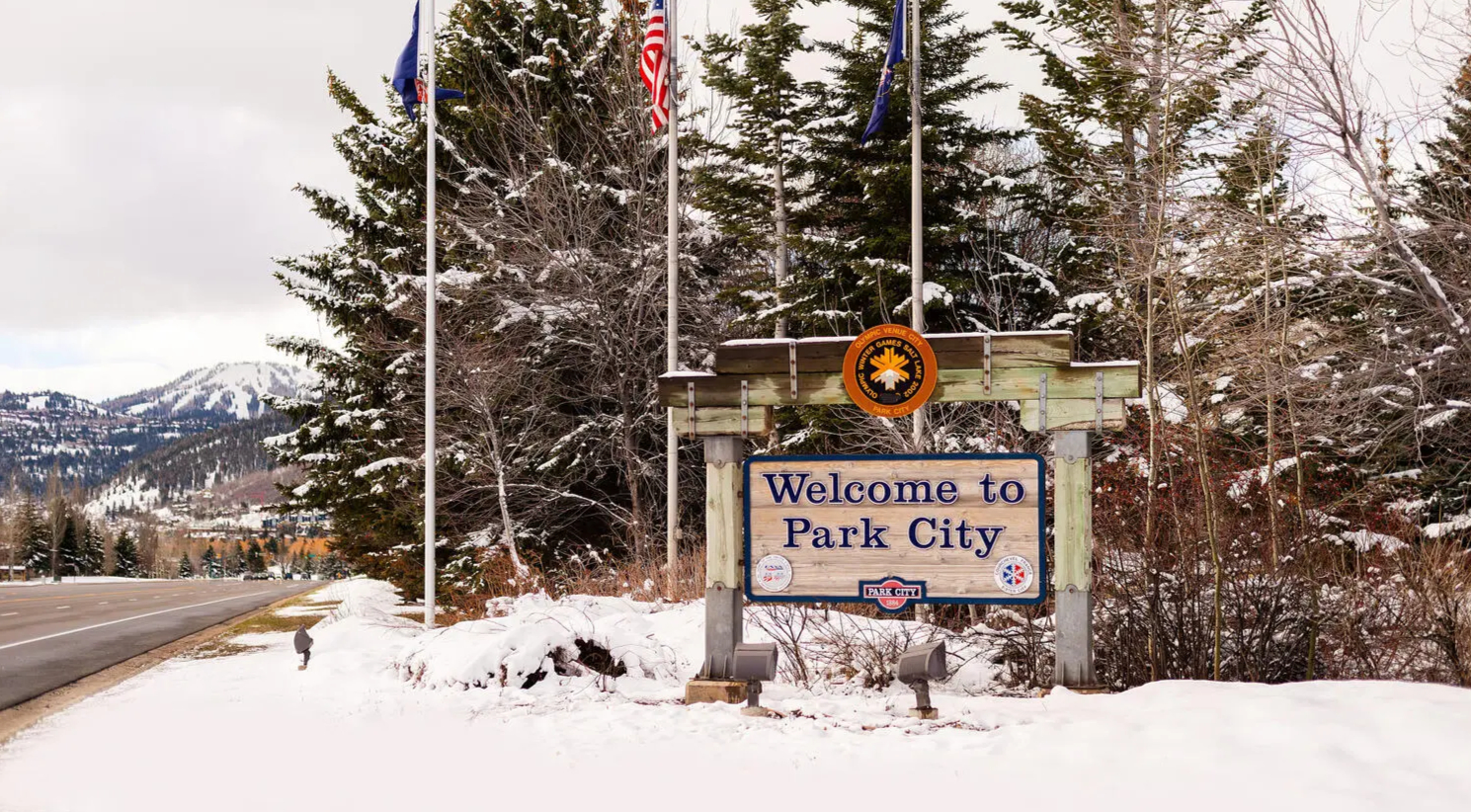
Thinking About Moving to Park City in 2026?
Many people fall in love with Park City during a vacation visit. But if you're considering making Park City home, the real question is: what does daily life here actually feel like once vacation ends and everyday routines begin?
Park City absolutely delivers the scenery, mountain lifestyle, and ski-town energy people imagine. But full-time living or owning a second home here is about far more than powder days and holiday weekends. It's about morning routines, school options, grocery runs, trail access, winter driving, community connections, and whether the lifestyle still feels rewarding long after the vacation mindset fades.
Is Park City a Good Place to Live?
For many people, absolutely. For others, it depends.
Living in Park City means getting comfortable with early winter darkness, the sound of plow trucks before dawn, icy sidewalks, altitude adjustment, and preparing your home before the first major storm of the season. But for many residents, that trade feels worthwhile for clean mountain air, trailheads minutes away, strong schools, outdoor access, community involvement, and a year-round active lifestyle.
Remote professionals value the balance between recreation and airport accessibility. Retirees appreciate the pace, healthcare access, and year-round activities. Families often find themselves spending more time outside and more time together. Those who struggle here tend to underestimate winter or expect constant nightlife and activity.

What Makes Life in Park City Different?
The good news is that Park City functions as a real hometown while still offering a rare balance between outdoor recreation, daily convenience, and accessibility. Located primarily in Summit County and considered part of Utah's Wasatch Back, Park City has a full-time population of just over 8,300 residents. However, visitor numbers often far exceed those during ski season. Even with a relatively small year-round population, Park City remains active well beyond ski season and functions more like a true mountain community than a seasonal resort town.
For many buyers, Park City's accessibility is one of the biggest long-term advantages. Residents enjoy direct access to the metropolitan city of Salt Lake and the Salt Lake City International Airport within roughly 35 to 45 minutes. You can maintain a mountain lifestyle without feeling isolated from travel, business, healthcare, or everyday conveniences.
Full-Time Living vs. Vacation Home Ownership
Another thing full-time buyers learn quickly: the best vacation-home neighborhood is not always the best full-time neighborhood.
A property that works well for ski trips may feel very different during extended winter stays or longer periods throughout the year. Full-time residents often place greater value on storage, mudroom space, garage setup, driveway slope, sun exposure, snow removal, HOA coverage, proximity to schools, and access to Salt Lake City.
Second-home and nightly-rental-income buyers may prioritize resort access, views, or proximity to Main Street, while year-round residents often focus more on convenience, neighborhood feel, and long-term livability, such as the Park Meadows neighborhood.
| Neighborhood | What You Get | What to Consider | Best Fit |
|---|---|---|---|
| Old Town / Main Street ↗ | Walkability, historic homes, ski access, dining, and proximity to Main Street. | Limited parking, tighter storage, multi-level layouts, and higher activity. | Buyers who value walkability, energy, short-term renters, and access over space. | Park Meadows ↗ Thaynes Canyon ↗ | Larger lots, in-town location, and convenient access to recreation and schools. | Less walkability than Old Town, driveway considerations, and some rental restrictions. | Buyers who want space, proximity to town, and year-round livability with a local mountain feel. |
Prospector ↗ The Aerie ↗ |
Trail access, central location, neighborhood feel, and a mix of property types. | Short-term rental rules, property characteristics, and HOA considerations. | Buyers who want proximity to town, recreation, and a more residential lifestyle. |
Canyons Village ↗ Sun Peak ↗ |
Resort proximity, mountain views, HOA amenities, and convenient access to I-80. | Peak-season traffic, traditional homes, and varying rental restrictions. | Full-time residents, second-home owners, and commuters prioritizing convenience and access. |
| Silver Springs / Ranch Place ↗ | Flat lots, parks, trails, fenced yards, and convenient access to I-80. | Peak-season traffic and a more traditional residential setting. | Primarily full-time residents, commuters, and second-home owners. |
Kimball Junction ↗ Trailside ↗ |
Shopping, dining, schools, trails, transit, and easier access to Salt Lake City. | A more practical feel than classic resort-town living. | Families, professionals, and buyers prioritize convenience and functionality. |
Jeremy Ranch ↗ Pinebrook ↗ Summit Park ↗ |
Forested surroundings, larger homes, quieter streets, and commuter-friendly access. | Steeper driveways and additional winter maintenance in some areas. | Full-time residents wanting privacy, trees, and easier Salt Lake City access. |
| Silver Creek / Silver Creek Village ↗ | Newer construction, open views, larger lots, and quick highway access. | More car dependency and a less traditional in-town atmosphere. | Buyers seeking newer homes, extra space, and some equestrian opportunities. |
| Deer Valley / Empire Pass / East Village ↗ | Luxury residences, resort access, ski-oriented amenities, and refined mountain living. | Premium pricing, HOA structures, and a more resort-centered ownership experience. | Buyers seeking turnkey luxury, resort convenience, and second-home ownership. |

Summer Living in Park City, Utah
Summer is often when many owners become even more attached to Park City. Between the trail systems, outdoor dining, summer concerts, and easier movement around town, the warmer months tend to reinforce the local saying that "people come for the winters but stay for the summers."
At over 7,000 feet in elevation, Park City summers are typically cooler than Salt Lake City, with warm days, crisp evenings, and a pace that feels easier than the height of ski season. For many residents, summer is when daily life opens up. Visit Park City Summer Activities
Summer Activities Include:
- Over 400 miles of non-motorized hiking and biking trails
- Golf, fly fishing, equestrian properties, and reservoir recreation
- Boating, paddleboarding, and rafting on nearby rivers and reservoirs
- Zip lines, alpine slides, and mountain activities
- Outdoor concerts and live music under the stars
- Summer camps and family programming
- Art galleries, museums, the Fourth of July parade and rodeo, and seasonal events
- Dining, shopping, arts, and cultural offerings relative to Park City's size

Winter Living in Park City
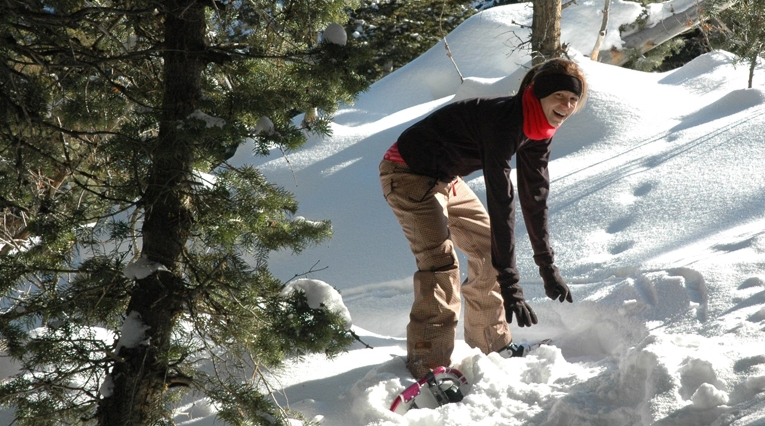
Winter is what Park City is known for, but living here during ski season is different from visiting for a long weekend. Snowfall becomes part of the rhythm of daily life. Roads are maintained well, but winter tires, four-wheel drive, and basic snow awareness matter. Traffic also increases during peak ski weeks and holidays.
The upside is access. Being able to ski before work, take quiet weekday runs, or meet friends on the mountain is one of the privileges of living here full-time.
For buyers, winter changes what matters in a home. Driveway exposure, garage setup, snow removal, HOA coverage, and access to town or schools become more important once snow becomes part of everyday life. I tell clients every season that winter maintenance is not glamorous, but it determines who stays long-term.
Winter Considerations:
- World-class skiing at Deer Valley Resort® and Park City Mountain
- Regular snowfall and extended winter conditions
- Snow management and plowing arrangements
- Heated driveways or favorable sun exposure
- Reliable property management for second-home owners
- Four-wheel drive or winter-ready vehicles
2026 Cost of Living in Park City
Living in Park City comes with a higher cost of living than in most Utah markets, largely driven by real estate values, second-home demand, and the costs of maintaining a mountain lifestyle. Housing remains the largest factor, particularly in resort-oriented neighborhoods and luxury communities.
Additional Ownership Costs:
- HOA dues and resort sales tax fees
- Snow removal and winter maintenance
- Property management for second homes
- Insurance and utility costs
- Premium pricing for ski-access and newer construction properties
That said, many buyers view Utah's overall tax structure as relatively favorable compared to other luxury mountain markets. Utah has comparatively low property taxes, a flat state income tax of roughly 4.5%, and no estate or inheritance tax.
For many buyers, the combination of lifestyle, accessibility, recreation, and tax structure helps offset the higher costs associated with owning property in Park City.
How Do Schools and District Boundaries Work in Park City?
Do not rely solely on a mailing address when evaluating school boundaries. Some Park City addresses fall outside the Park City School District, consistently ranked among Utah's top-performing districts. Before purchasing a home, buyers should verify school boundaries directly through the district's address lookup tools and boundary maps available on the Park City School District website.
Park City also offers open enrollment options in certain situations, although availability can vary based on school capacity, grade level, and transfer limitations. Because boundaries and enrollment policies can change, buyers focused on school placement should confirm details early in the home search process.
Understanding Short-Term Rental Rules in Park City
This is one area where working with an experienced Park City real estate agent becomes especially valuable. Short-term rental regulations can vary significantly depending on jurisdiction, zoning, HOA rules, and even the specific condominium community.
Within Park City limits, nightly rentals generally require a city business license and inspection and are only permitted in certain zoning areas or approved developments. In unincorporated Summit County — including areas such as Snyderville Basin and Silver Creek — county regulations may apply alongside separate HOA restrictions.
Some neighborhoods are designed around rental flexibility, while others are intentionally focused on full-time residential living. Understanding that distinction early can help buyers avoid costly surprises and make more informed long-term decisions.
Choosing the Right Neighborhood in Park City
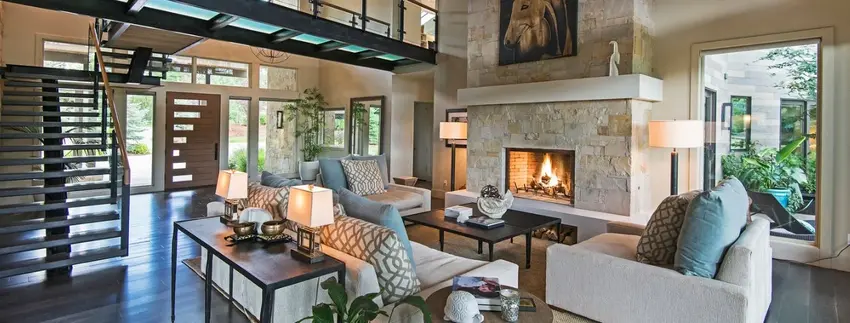
One of the smartest things buyers can do is compare neighborhoods side by side rather than focusing only on resort areas or ski access. The neighborhoods that work best for full-time living are not always the same ones that perform best as vacation or rental properties.
Each area of Park City offers a different balance of lifestyle, convenience, privacy, accessibility, recreation, and long-term value. In Park City real estate, those trade-offs often shape both day-to-day satisfaction and long-term appreciation.
Final Thoughts on Living in Park City
Park City offers a lifestyle that is difficult to replicate elsewhere. As local Park City Realtors with more than 30 years of experience representing buyers and sellers, we help our clients navigate neighborhoods, school boundaries, second-home ownership, rental considerations, and full-time mountain living throughout Park City and the surrounding areas.
If you are considering a move to Park City or exploring second-home ownership in 2026, contact us. We can help you identify properties that fit your lifestyle and long-term goals.

Enjoy this blog post? Click here to subscribe for updates
Leave A Comment